
Discover our solutions for fully fire-safe 🔥 roofs
10-10-2025
Glass and EVA fragments spread during PV roof fires, AllShield prevents fire
Roof fires with PV systems can scatter dangerous glass and EVA fragments, harming people and property. Glass and Plastic based panels are the main source of this debris. AllShield explains why only a non-combustible roof build-up makes solar roofs truly safe and insurable.
Glass and EVA fragments during PV fires
When a PV roof catches fire, the panels themselves can become part of the hazard. Particularly in glass–glass and glass–foil modules, extreme heat causes the surface to shatter. This creates glass fragments on the roof and in a smaller circle around the fire and EVA foil forms molten droplets that land on the roof surface making for a bigger fire spread, become airborne and eventually fall to the ground.
These residue shards of glass pose with roof fires direct safety risks to firefighters, building users, and the EVA foil, being carried over a further distance from agricultural land with grazing animals.
For BIPV the glass fragments form an even bigger risk, the glass surface will shatter and fall to the ground endangering fire fighters and pedestrians alike.
Real-world examples
- Installation incident: After a golf ball shattered a panel, internal arcing triggered a fire. When the system was dismantled, broken glass fragments had burned into the roof covering beneath.
- BIPV fire case: In large building-integrated PV systems, burning panels projected both glass and molten plastics downward, creating severe hazards for emergency crews and occupants.
- Community observations: Reports from installers confirm that when glass modules burn, splintered fragments scatter widely, complicating cleanup and repair.
Which PV panels produce glass debris?
- Glass–glass modules and glass–foil modules:
Break under heat or impact → scatter glass shards and molten EVA droplets. - Glass–film or full-plastic modules:
Do not scatter glass, but pose other fire risks (melting plastics, dripping, smoke).
The key takeaway: glass-based modules pose shard hazards, while plastics pose melt hazards. Both must be managed through non-combustible roofing solutions.
Who is at risk from glass fragments?
- Firefighters and first responders: cuts, visual obstruction, slipping hazards.
- Building users and neighbours: risk of falling shards causing injury.
- Installers and cleaners: risk of lacerations during post-fire work.
- The roof itself: sharp glass can puncture membranes, allowing leaks or hidden smouldering.
How are PV glass shards cleaned up — and who pays?
Cleanup process
- Wear protective gear (gloves, boots, eye protection).
- Collect fragments with brushes, blowers, and heavy-duty containers.
- Separate splintered glass from metal frames for recycling.
- If heavy metals (e.g. lead, cadmium) are present: debris may be hazardous waste under RCRA and must be removed by licensed handlers (source: floridadep.gov).
- Otherwise: glass and metals can be sent to standard recycling.
Responsibility for costs
- Insurance: Property/fire insurance often limits the cost of cleanup if the roof was compliant with fire safety standards.
- Installer or manufacturer: May be liable if panel defects contributed.
- Building owner: Responsible if panels were outdated or poorly maintained.
- Municipality: May step in if shards pose a public hazard, with costs reclaimed from the owner.
A real hazard and expensive
Glass fragment and EVA spread during PV fires is a real hazard, especially with glass–glass or glass–foil panels. While plastic-based panels avoid this specific shard issue, they bring other risks such as molten drips and toxic smoke.
The true solution lies beneath the panels: Only a non-combustible roof build-up ensures that a small PV ignition cannot escalate into a dangerous, spreading fire.
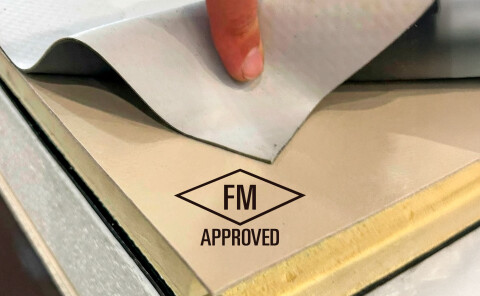
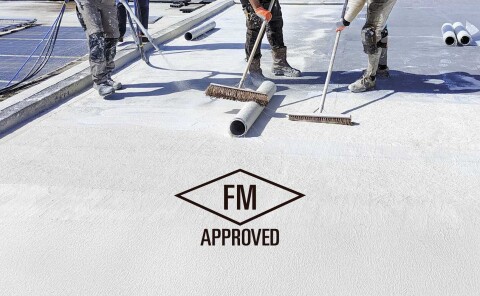
With AllShield BarrierSheet and AllShield Blue, flat roofs gain that mineral protection — stopping flame penetration, preventing propagation, and keeping solar roofs safe and insurable.
Our roof fire 🔥 protection solutions
Fire safety is the goal, insurability is the result
Flat roofs – especially those with solar panels – face an increasing fire risk. Even the best fire-retardant membranes offer limited protection against flying sparks or thermal ignition beneath PV panels. That’s why AllShield developed two non-combustible fire protection systems, each tailored to a specific application.
Do you have any questions for us?
We're here for you!
